Princess Kate Chemo Hair Loss: Rumors, Truth & Explanation
BY TRYBELLO
Oct 29, 2025

Key Takeaways
- Princess Kate maintained her full head of hair during chemotherapy without needing cold cap therapy, defying typical expectations of cancer treatment.
- Not all chemotherapy regimens cause hair loss; the type, dosage, and individual factors significantly influence whether patients lose their hair.
- Social media erupted with wig conspiracy theories when Kate debuted a new blonde hairstyle during her recovery phase.
- Understanding the reality of chemo-related hair loss can help patients make informed decisions about scalp cooling and other preservation options.
- For those experiencing post-treatment hair thinning or recovery challenges, Trybello Hair Helper Spray is a natural solution with biotin, castor oil, and caffeine to support regrowth, strengthen follicles, and restore confidence during the healing journey with a risk-free 120-day guarantee.
Kate Middleton's Cancer Treatment Revealed: The Hair Loss Mystery Explained
In March 2024, Princess Kate announced she was undergoing "preventative chemotherapy" following abdominal surgery that revealed cancer. Throughout her treatment, Kate maintained a full head of hair, which sparked intense public curiosity. In September, she revealed her chemotherapy had "finally come to an end," appearing with her hair intact and sporting a new golden blonde hue.
During a royal engagement, Kate reportedly told a fellow cancer patient that she "didn't have to have" cold cap therapy, a treatment that helps reduce hair loss by cooling the scalp during chemotherapy sessions. This revelation is significant because it suggests either Kate's particular chemotherapy regimen was less likely to cause hair loss or that she had individual factors that helped protect her follicles.
While the princess has kept private the specific type of cancer and chemotherapy she received, medical experts note that not all chemotherapy drugs cause complete hair loss. Some treatments, particularly those used for certain cancers or in adjuvant (preventative) settings, may cause thinning rather than complete loss or may spare the hair entirely. The description of her treatment as "preventative" suggests it may have been less aggressive than treatments for advanced disease.
“Doctor-Approved Natural Spray Rapidly Boosts Growth & Thickness.
Why 100,000+ Women Are Switching to Trybello!"
Join over 100,000 happy customers who've transformed their hair with our doctor-formulated spray in just 12 weeks, rated 4.8/5 by 40,000+ real users.
Proven Natural Ingredients
- • Caffeine Extract – Blocks DHT and boosts blood flow to follicles
- • Biotin – Direct scalp absorption, no pills needed
- • Castor Oil – Soothes inflammation and locks in moisture
- • Rice Water Extract – Strengthens hair and reduces shedding
120-Day Growth Guarantee: No results? 100% money back, no questions asked.


Why Cancer Patients Typically Lose Their Hair During Chemo

Chemotherapy primarily damages follicles in the active growth phase, which accounts for about 90% of scalp hair at any given time.
How Chemotherapy Affects Hair Follicles
Chemotherapy targets rapidly dividing cells in the body, which is how it attacks cancer cells. Unfortunately, hair follicles are among the fastest-growing cells in the human body, making them collateral damage in many cancer treatments.
Individual factors like metabolism, genetic makeup, and overall health can influence how severely chemotherapy affects hair follicles. Some patients naturally metabolize certain drugs differently, potentially reducing their exposure to side effects.
Timeline of Hair Loss During Cancer Treatment
For most patients who experience chemotherapy-induced hair loss, the timeline follows a predictable pattern. Hair typically begins shedding about 2–3 weeks after the first treatment, often starting with increased hair on pillows or in shower drains before progressing to more noticeable loss. Complete or significant hair loss usually occurs within one month of starting treatment.
Different Types of Chemotherapy and Their Hair Loss Effects
Chemotherapy regimens vary widely in their propensity to cause hair loss. Anthracyclines are notorious for causing complete alopecia in most patients. These drugs are commonly used in breast, ovarian, and lung cancer treatments, making hair loss almost inevitable for many patients.
By contrast, some chemotherapy drugs may cause only partial thinning rather than complete loss. Targeted therapies, which work differently than traditional chemotherapy, often spare the hair entirely. Hormone therapies used for some breast and prostate cancers typically cause minimal hair changes, perhaps explaining Kate's experience if her treatment plan relied more heavily on these approaches.
Dosage and frequency also matter significantly. Lower doses or extended intervals between treatments can reduce the impact on hair follicles. When chemotherapy is administered as "adjuvant" or preventative treatment after surgery (as appears to be Kate's case), protocols sometimes use modified schedules or dosages that minimize side effects while still providing cancer protection.
Debunking the Wig Rumors That Flooded Social Media
Timeline of the Blonde Hair Controversy
The wig controversy began immediately after Kate's September 9th video announcing the end of her chemotherapy. Within hours, social media was flooded with side-by-side comparisons and amateur "analyses" claiming to prove she was wearing hairpieces.
The speculation gained such traction that several royal correspondents and medical professionals felt compelled to address the rumors publicly, explaining that her hair preservation was entirely possible depending on her specific treatment protocol. The controversy highlighted how little public understanding exists about the nuances of modern cancer treatment, with many people still assuming all chemotherapy inevitably leads to complete hair loss.
How Kate Responded to "Evil" Wig Accusations
While Kate herself has not directly addressed the wig rumors, sources close to the royal family described the speculation as "evil" and "deeply hurtful" during an already challenging time. Palace insiders reportedly confirmed that Kate did not wear a wig during her treatment and that her natural hair remained largely intact throughout her chemotherapy.
The situation placed the princess in the difficult position of having her medical journey and personal choices questioned during recovery, highlighting the additional burden celebrities and public figures face when dealing with health challenges in the spotlight.
Why Hair Loss Becomes a Focus of Public Speculation
Hair has long been associated with femininity, youth, and vitality across cultures, making its potential loss during cancer treatment particularly loaded with symbolic meaning. For public figures like Kate, whose appearance is constantly scrutinized, hair becomes an even more significant focus of attention.
The fascination with whether she was wearing a wig reveals society's discomfort with visible signs of illness and our collective struggle to reconcile glamorous public personas with the realities of serious health conditions.
The speculation also stems from widespread misconceptions about cancer treatment. Many people still assume all chemotherapy causes complete hair loss, not understanding the variety of protocols available today. This knowledge gap creates a situation where Kate's experience seems implausible to those with outdated information, leading to conspiracy theories rather than recognition that modern cancer care has evolved to sometimes preserve quality-of-life factors like hair retention.
Kate's Cancer Journey Shows the Power of Dignity in Treatment

Throughout her treatment, Princess Kate has embodied the concept of maintaining dignity during cancer care.
Cancer treatment has evolved significantly from an era where patients were expected to simply endure whatever side effects came their way. Today's approach increasingly focuses on quality of life during treatment, with options like scalp cooling, anti-nausea medications, and customized exercise programs designed to reduce treatment's impact on daily living. Kate's experience, whether or not she needed special interventions to maintain her hair, highlights this evolution toward more personalized and dignity-preserving care protocols.
The princess's visible resilience has provided a powerful counternarrative to the traditional image of cancer patients as necessarily frail or dramatically changed in appearance. While her experience may not be universal, it has helped create space for recognizing the diversity of cancer journeys. Some patients lose hair, others don't. Some experience significant weight changes, others maintain their previous appearance. By showing one possible pathway through treatment, Kate has inadvertently highlighted that there is no single "right way" to experience cancer.
Supporting Hair Recovery: How Trybello Helps After Cancer Treatment
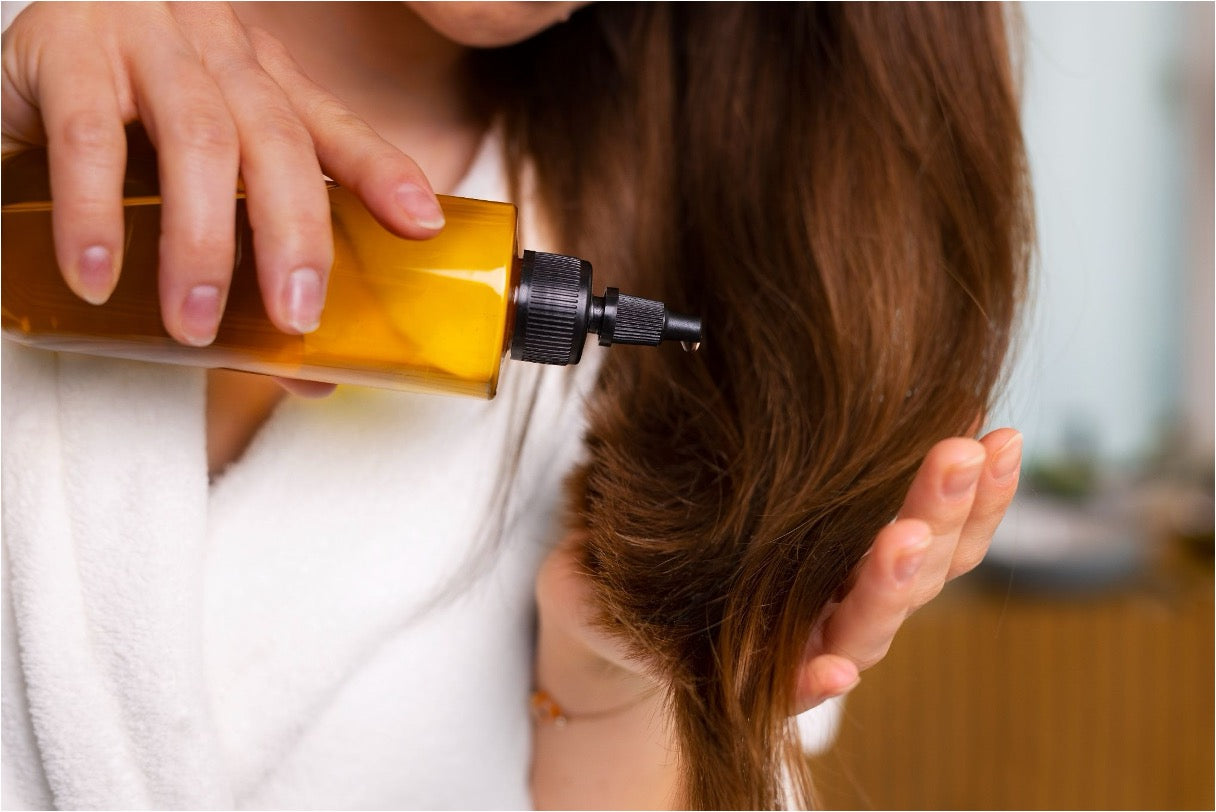
For those undergoing chemo recovery, Trybello is here to help. Trybello Hair Helper Spray delivers targeted nourishment through three proven ingredients. Biotin promotes keratin production, strengthening hair structure and fueling growth and thickness. Castor oil's ricinoleic acid locks in moisture while providing antioxidant properties that detoxify follicles.
Caffeine extends the growth phase and stimulates circulation, ensuring nutrients reach healing follicles. Application is simple: part hair, spray on thin areas, massage for 1–2 minutes, then rinse after 30 minutes or leave in while styling.

Try our Hair Helper Spray for gentle support and post-treatment hair recovery.
Princess Kate's journey illuminates the deeply personal nature of hair loss during cancer treatment. While she maintained her hair, countless survivors face rebuilding challenges during recovery. Trybello offers hope with its 100% natural, chemical-free formula designed for sensitive post-treatment scalps, backed by a 120-day money-back guarantee and over 200,000 satisfied customers. Because after everything you've endured, you deserve solutions that restore both hair and confidence.
GET TRYBELLO HAIR HELPER SPRAY TODAY →
Frequently Asked Questions (FAQs)

Trending Topics





See our latests posts #TRYBELLO