Hair Loss Due To Sleep Deprivation: Causes, Solutions & Reversal
BY TRYBELLO
May 28, 2026

Key Takeaways
- Ongoing poor sleep can lead to increased shedding and overall thinning because it disrupts the natural hair growth cycle and weakens follicle health over time.
- Sleep deprivation triggers hair loss through cortisol overload, lower melatonin levels, weaker scalp circulation, and reduced immune function, all of which push more follicles into the resting phase too early.
- A consistent sleep routine, an optimized sleep environment, daily stress management, gentle hair care, and balanced nutrition work together to reduce shedding and create the conditions for healthier regrowth.
- Hair loss caused mainly by poor sleep is usually reversible, with most people seeing less shedding within 6 to 8 weeks and visible regrowth within 3 to 4 months of consistent improvement.
- Trybello supports recovery with a dual-action system, pairing the Trybello Hair Helper Spray with supplements like the Trybello Daily Hair Booster to help strengthen and revitalize hair affected by stress and poor sleep.
Can Sleep Deprivation Cause Hair Loss?
Yes, ongoing sleep deprivation can contribute to hair loss by disrupting the body's natural growth cycle. When rest is consistently poor, cortisol rises, melatonin drops, and scalp circulation slows, which pushes more follicles into the resting phase and shows up as steady shedding over time.
The encouraging part is that shedding caused mainly by poor sleep is usually reversible. Once rest improves and stress, nutrition, and hair care fall back into a steady rhythm, follicles typically shift back into active growth. Most people notice reduced shedding in about 6 to 8 weeks, with visible regrowth in 3 to 4 months.
Trybello is built around this balanced approach. The Trybello Hair Helper Spray takes care of the scalp, while supplements like the Trybello Daily Hair Booster nourish hair from within, working alongside better sleep to help strengthen and revitalize strands affected by stress and lifestyle imbalance.
“Your All-In-One, Doctor-Approved System For Thicker Hair, Fuller Lashes, And Stress-Free Hair Growth. Why 100,000+ Women Trust Trybello For Real Results!"
Experience the complete Trybello system designed to support fuller hair, stronger lashes, and healthier growth from every angle.
Our Complete Lineup
- Trybello Hair Helper Spray
- Trybello Hair Helper Spray Plus (with Capixyl™)
- Trybello Eyelash Serum
- Trybello Daily Hair Booster
- Trybello Hair Repair & Anti-Stress Gummies
- Trybello Hair Growth Shampoo
- Trybello Hair Growth Conditioner
Powered by proven natural ingredients like caffeine, biotin, Capixyl™, ginseng, Anagain™, and aloe to support growth from root to tip.
120-Day Guarantee: No visible results? Get a full refund.


How Sleep Deprivation Causes Hair Loss
The effects of poor sleep don’t follow just one pathway. Instead, sleep deprivation impacts hair health in multiple ways at the same time, which is why shedding can become noticeable fairly quickly.
Cortisol Overload and Telogen Effluvium
When you don’t sleep well, cortisol stays increased for longer periods. This chronic rise disrupts the natural hair growth cycle, pushing more follicles into the resting (telogen) phase too early. Over time, this can lead to telogen effluvium, a form of diffuse shedding where hair falls out evenly across the scalp rather than in patches.
Melatonin Deficiency and Hair Follicle Damage
Melatonin isn’t just about sleep; it also plays a protective role in hair follicles. It acts as an antioxidant, helping reduce oxidative stress and supporting the healthy growth phase of hair. Sleep deprivation lowers melatonin levels, leaving follicles more exposed to damage and inflammation. This can slow growth and make strands more prone to shedding over time.
Poor Circulation and Nutrient Delivery to Follicles
Healthy hair growth depends on steady delivery of oxygen and nutrients like iron, zinc, biotin, and amino acids. Quality sleep supports better blood flow to the scalp, helping nourish follicles. When sleep is consistently poor, this circulation weakens, meaning follicles receive fewer nutrients. As a result, new hair may grow in finer, weaker, and more prone to breakage.
Weakened Immune Function and Hair Loss
Sleep plays a key role in regulating the immune system and controlling inflammation. Chronic sleep deprivation can trigger low-grade inflammation in the body, including the scalp. This creates an unhealthy environment for follicles and can disrupt the normal growth cycle. Over time, this inflammatory stress can contribute to increased shedding and weaker hair structure.

Sleep deprivation can quietly disrupt the hair growth cycle, leading to gradual shedding over time.
Is Sleep Deprivation Hair Loss Reversible?
In most cases, yes, hair loss linked mainly to sleep deprivation is reversible. The follicles are usually not permanently damaged; they are just pushed into a resting phase (telogen) too early. Once sleep improves and the body returns to balance, follicles can shift back into the growth (anagen) phase. Recovery depends heavily on how long the disruption lasted and how consistently sleep is restored.
How Long Does Recovery Take
Results don’t happen overnight. Many people notice reduced shedding within 6–8 weeks of improving sleep habits. Visible regrowth typically takes around 3–4 months, depending on overall health, nutrition, and how severe or prolonged the sleep disruption was.
When Hair Loss May Not Fully Reverse
In some cases, sleep-related shedding can overlap with other underlying conditions. If there is a genetic tendency toward pattern hair loss, poor sleep may speed up thinning that doesn’t fully reverse without targeted care. Long-term sleep deprivation can also worsen scalp inflammation or trigger more persistent hair issues.
Solutions to Stop and Reverse Hair Loss From Poor Sleep
Hair loss related to poor sleep usually happens gradually and often shows up as increased shedding, weaker strands, or overall thinning. Improving daily habits can help restore a healthier environment for hair growth and prevent ongoing shedding over time.
1. Build a Consistent Sleep Routine
Irregular sleep can push more hair into a resting phase too early, leading to noticeable shedding. A steady sleep schedule helps your body regain balance, which supports more stable hair growth cycles.
Try to sleep and wake at consistent times and aim for 7–9 hours of rest. A calm bedtime routine, reduced screen time, and winding down properly can help improve sleep quality and reduce stress-related shedding over time.
2. Optimize Your Sleep Environment
A poor sleep environment can worsen sleep quality, which indirectly affects hair health by increasing stress on the body. Light, noise, and temperature all play a role in how deeply you rest.
A dark, quiet, and cool room supports better sleep, which helps the body recover more effectively. When sleep improves, hair shedding caused by internal stress often starts to reduce gradually.

Restful sleep supports natural repair processes that benefit scalp health.
3. Manage Cortisol With Targeted Techniques
High stress levels can trigger increased hair shedding and make existing thinning more noticeable. When the body stays stressed for long periods, hair follicles are more likely to enter a resting phase earlier than normal.
Simple relaxation habits like deep breathing, light exercise, or short daily breaks can help bring stress levels down. Over time, this supports a healthier balance that benefits hair stability and reduces excessive shedding.
4. Use Gentle Hair Care Approaches
When hair is already stressed from poor sleep, harsh treatments, or aggressive styling can increase breakage and make thinning more visible. Over time, this can worsen the appearance of hair loss even if the root cause is internal.
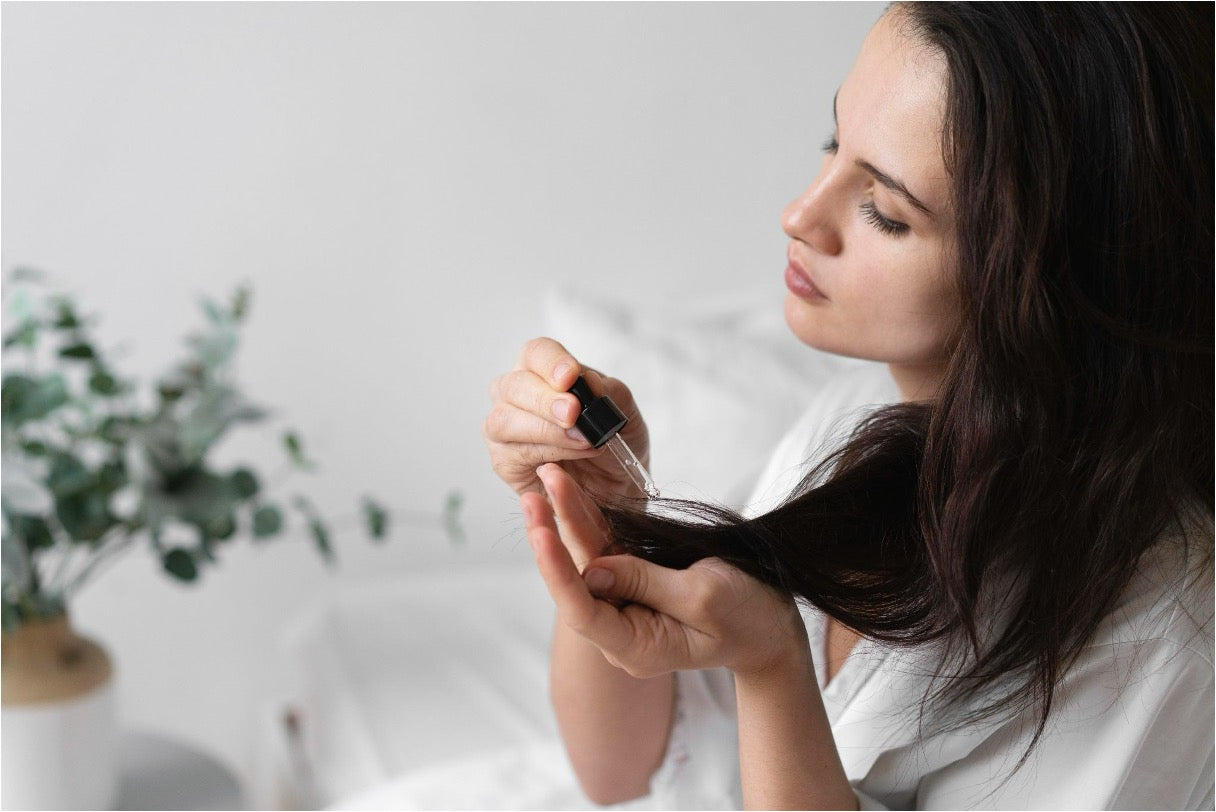
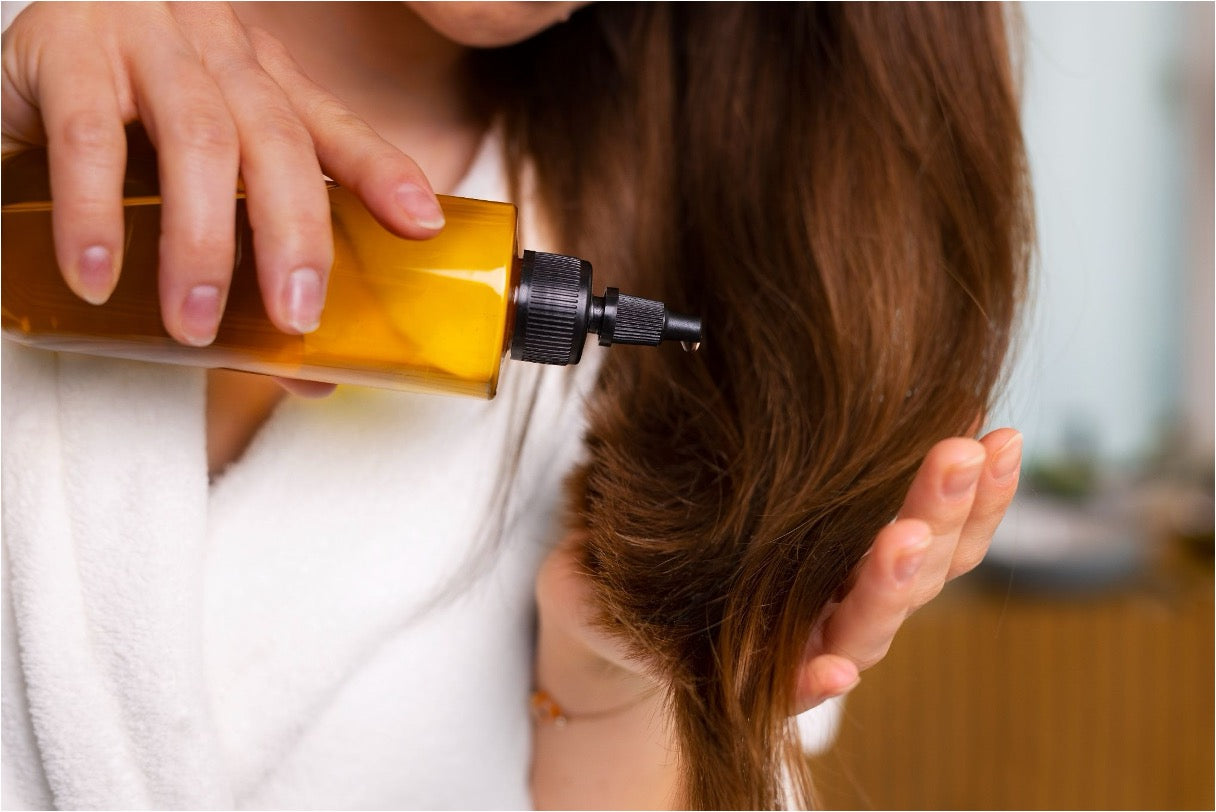
Using gentle shampoos, hair serums, and sprays, avoiding tight hairstyles, and handling hair carefully can reduce unnecessary strain. A softer routine helps protect existing hair while the body works toward restoring healthier growth patterns. Incorporating products like Trybello Hair Helper Spray can support this approach by providing lightweight, daily scalp care designed to help strengthen and revitalize hair affected by stress and poor sleep.
5. Support Hair Regrowth With the Right Nutrition
Poor nutrition combined with poor sleep can make hair feel weaker, finer, and more prone to shedding. When the body lacks key nutrients, it prioritizes essential functions over hair growth.
A balanced diet with enough protein, vitamins, and minerals helps support stronger strands and healthier-looking regrowth. Consistent nourishment gives hair the building blocks it needs to recover from stress-related shedding.
Support Hair Recovery From Sleep-Related Stress with Trybello

Trybello supports a dual-action routine to help strengthen and revitalize hair affected by stress and poor sleep.
Hair loss linked to sleep deprivation usually clears up once rest, stress, and daily habits return to balance, since the follicles are typically healthy and only need the right conditions to restart steady growth.
At Trybello, we built our routine around this same balance. Our Trybello Hair Helper Spray and Trybello Daily Hair Booster work together to support hair from inside and out, backed by our 120-Day Results Guarantee. If you want to give your hair the support it needs to recover, explore the complete Trybello haircare solutions today.
Explore Trybello Hair Products Today
Frequently Asked Questions (FAQs)

Trending Topics





*Disclaimer: Individual results may vary. The information provided in this article is for educational purposes only and is not intended as medical advice. Consult a healthcare professional before starting any new hair or lash care regimen, especially if you have sensitivities or underlying health conditions. Product pricing is subject to change. For full terms, visit Trybello.com.

See our latests posts #TRYBELLO