Hair Loss Due To Crash Dieting: Causes & Regrowth Solutions
BY TRYBELLO
May 23, 2026

Key Takeaways
- Crash dieting strips out iron, zinc, vitamin D, and protein at the same time, which starves follicles and pushes them out of the active growth phase into shedding.
- The shedding usually shows up 2 to 3 months after the diet starts, so most people stay on the restriction long after the damage has already begun, which delays recovery further.
- The fix is to rebuild missing nutrients and support the scalp at the same time, and Trybello pairs internal nutrient support with topical scalp care so both sides of the problem get addressed in one daily routine.
- Early regrowth typically appears around 4 months after nutrition is corrected, and full density returns over 6 to 12 months, so consistency matters far more than intensity.
- Trybello Hair Repair & Anti-Stress Gummies deliver Anagain, L-theanine, zinc, and B-complex nutrients that support keratin production, lower stress-related shedding, and strengthen follicles during crash diet recovery.
What Crash Dieting Actually Does to Your Hair
The fastest way to reverse hair loss from crash dieting is to rebuild iron, zinc, vitamin D, and protein at the same time, then add gentle scalp support so follicles can move back into the growth phase. Iron and ferritin restore the energy follicles need to divide; zinc and protein supply the raw material for keratin; vitamin D regulates the growth cycle itself; topical care like a stimulating scalp serum keeps circulation moving while the rest catches up. Which lever matters most depends on how restrictive the diet was, how long it lasted, and how much shedding has already shown up.
Hair shedding from crash dieting is one of the most common forms of telogen effluvium, and it almost always traces back to nutrient gaps rather than the calorie cut alone. The body simply deprioritizes hair when it is short on the building blocks for vital functions.
If you are recovering from a crash diet and watching extra hair come out in the shower, this guide walks through the specific deficiencies driving it, the foods and habits that bring follicles back online, and where a daily routine fits in.
“Stress-Busting Gummies Target Hair Loss at the Source.
Why 761+ Women Rate This 5-Star Solution!"
Combat stress (the #1 cause of hair loss) with sugar-free gummies delivering 20% fuller hair in 12 weeks, rated "Very Good" by 761 verified customers.
Stress-Fighting Ingredients
- • Anagain™ – Clinically proven to improve growth and thickness in 3 weeks
- • L-Theanine – Reduces stress while boosting blood flow to follicles
- • Zinc – Protects follicles from stress damage, reduces inflammation
Sugar-Free Benefits
- • Diabetes-friendly, no weight gain
- • Made and shipped from USA


The Main Causes of Hair Loss From Crash Dieting
Crash dieting does more than cut calories; it tends to create several nutrient deficiencies at the same time. The most common ones tied to hair shedding are iron, zinc, vitamin D, and protein. When these drop together, follicles lose the resources they need to stay in the growth phase, which leads to more shedding and weaker strands.
Iron and Ferritin Deficiency
Iron deficiency is one of the strongest nutritional links to hair loss, especially in women. Beyond hemoglobin, ferritin (stored iron) supports follicle cell division and growth. Low ferritin can push more hairs into the resting (telogen) phase, even when standard blood tests do not flag a clear deficiency. Crash diets that cut out red meat, legumes, or greens can drain iron stores quickly and disrupt healthy growth.
Zinc Deficiency
Zinc supports tissue repair and protein synthesis in hair follicles. When intake drops, as is common in restrictive diets that cut out meat, seeds, and nuts, hair structure can weaken, leading to more shedding and finer, fragile strands over time.
Vitamin D Deficiency
Vitamin D receptors are present in hair follicles and help regulate the growth cycle. Low levels have been associated with disrupted follicle activity. Crash diets often reduce intake of vitamin D-rich foods like fatty fish, eggs, and fortified dairy, adding further stress to already weakened follicles.
Inadequate Protein Intake
Hair is made mostly of keratin, a protein, so insufficient protein intake directly limits hair production. During crash dieting, protein intake often falls too low to sustain normal growth, forcing the body to prioritize vital functions over hair, which can accelerate shedding.

Hair follicles are highly sensitive to sudden drops in calorie and nutrient intake.
Natural Foods & Lifestyle Strategies That Support Hair Regrowth After Crash Dieting
Food and daily habits are two of the most powerful tools for reversing diet-related hair loss. While supplements can help, whole foods provide nutrients in their most bioavailable form, and supportive lifestyle practices improve circulation and reduce stress, together creating the ideal environment for follicles to re-enter the growth phase. Recovery is not about extreme changes, but consistent, nutrient-dense nutrition and gentle scalp care that rebuilds balance from within.
Iron-Rich Foods to Restore Ferritin
Rebuilding iron stores requires a mix of heme iron (animal sources) and non-heme iron (plant sources). Key options include lean red meat, chicken liver, oysters, lentils, spinach, and fortified cereals. Pair plant-based iron with vitamin C (like lemon or citrus) to significantly improve absorption, and avoid coffee, tea, or calcium around iron-rich meals, as they can reduce uptake.
Zinc, Protein & Follicle-Supporting Foods
Zinc and protein are vital for keratin production and follicle repair. Foods like oysters, beef, pumpkin seeds, chickpeas, cashews, and eggs deliver both in highly usable forms. Eggs are especially valuable because they also contain biotin and selenium, supporting overall hair strength and structure. Including multiple sources daily helps keep follicle nourishment steady.
Vitamin D & Healthy Fats for Scalp Function
Fatty fish such as salmon, sardines, and mackerel, along with egg yolks and UV-exposed mushrooms, provide vitamin D and omega-3 fatty acids that support scalp health and circulation. Sardines are particularly nutrient-dense, offering a combination of protein, iron, zinc, omega-3s, and vitamin D in one food. If dietary intake and sun exposure are limited, a vitamin D3 supplement may help maintain adequate levels.
Scalp Massage & Circulation Support
Daily scalp massage can improve blood flow to hair follicles, helping deliver nutrients more effectively. Using fingertips, apply gentle circular pressure for a few minutes per day. Some studies also suggest rosemary oil, when properly diluted, may support follicle activity and is often compared to conventional growth treatments in early research.

Gentle scalp stimulation can help improve blood flow to the follicle base.
Stress Management & Hormonal Balance
High stress and increased cortisol can prolong shedding by keeping follicles in the resting phase. Prioritizing 7–9 hours of sleep, light daily movement, and relaxation practices like breathing exercises or meditation helps regulate stress hormones. Avoiding excessive high-intensity exercise during active shedding may also prevent additional physiological strain.
Gentle Hair Care During Recovery
During regrowth, minimizing mechanical and chemical stress is important. Avoid tight hairstyles, excessive heat styling, and harsh treatments that can worsen breakage. Use a wide-tooth comb, reduce tension on the scalp, and opt for gentle, sulfate-free cleansing a few times per week to maintain a balanced scalp environment that supports recovery.
Scalp-Stimulating Serums for Hair Regrowth Support
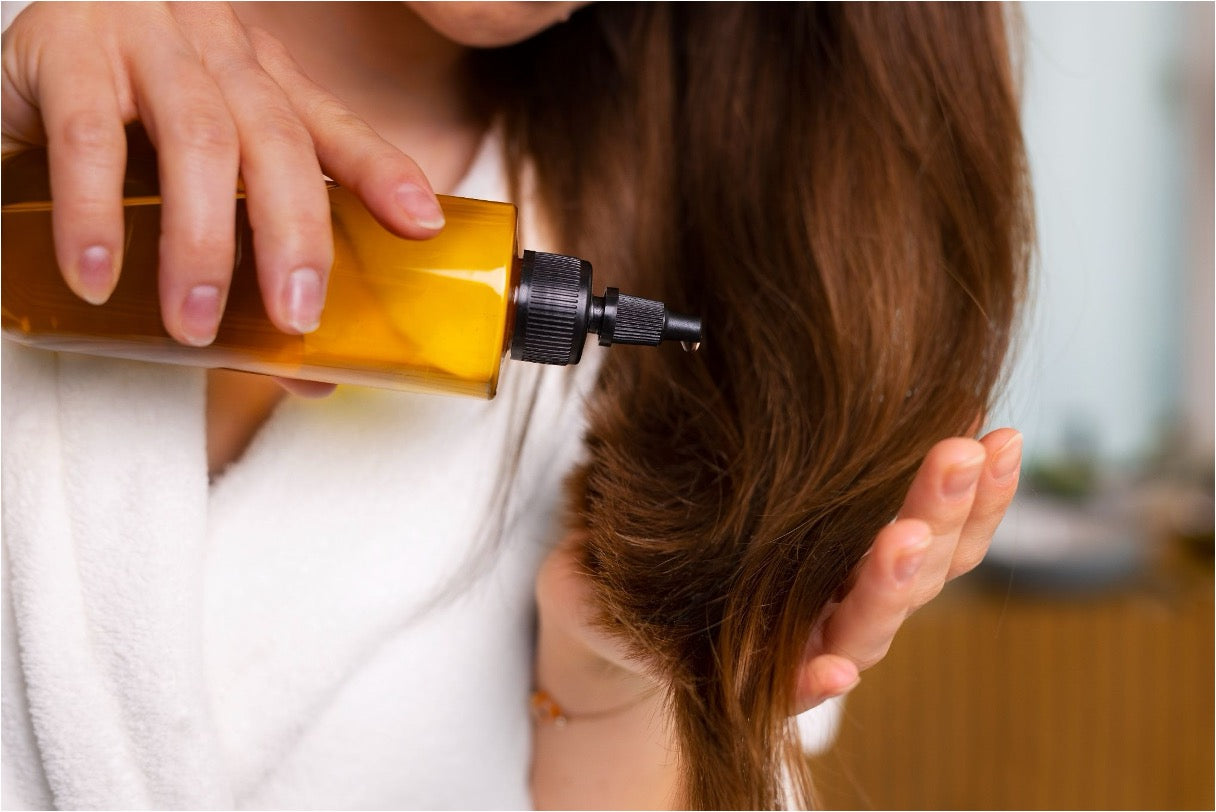
Scalp-stimulating serums help support a healthier follicle environment by improving microcirculation and delivering active ingredients directly to the scalp. Common ingredients like caffeine, biotin, peptides, and plant extracts work to energize follicles and support the natural growth cycle.
With consistent use, these serums may help strengthen strands, reduce breakage, and support the shift of follicles back into the active growth phase after stress or nutrient-related shedding. Lightweight, leave-in formulas are often preferred for daily use since they absorb quickly without buildup.
How to Get Your Hair Back After Crash Dieting
Recovering from crash diet hair loss comes down to three steady moves: restore iron, zinc, vitamin D, and protein through whole foods, calm the stress side of the cycle, and give the scalp consistent topical support so follicles can re-enter the growth phase. None of this happens in a week, but it does happen reliably when nutrition and scalp care run together.

Recovery from crash dieting requires both internal nutrition and external care.
That is the gap Trybello is built to fill. Trybello Hair Repair & Anti-Stress Gummies cover the internal side with Anagain, L-theanine, zinc, and B-complex, while Trybello Hair Helper Spray supports follicles directly at the scalp, which is exactly the dual approach crash diet recovery needs.
Visit Trybello to support your roots and your regrowth with one daily routine.
Frequently Asked Questions (FAQs)

Trending Topics




*Disclaimer: Individual results may vary. The information provided in this article is for educational purposes only and is not intended as medical advice. Consult a healthcare professional before starting any new hair or lash care regimen, especially if you have sensitivities or underlying health conditions. Product pricing is subject to change. For full terms, visit Trybello.com.

See our latests posts #TRYBELLO