Hair Loss After Tight Ponytails: Causes & How To Stop It
BY TRYBELLO
May 25, 2026

Key Takeaways
- Tight ponytails cause shedding and breakage by pulling hair roots away from the scalp, reducing blood flow to follicles, and creating friction that damages the hair shaft. When the same tight style is worn daily, stress concentrates on the hairline and temples, leading to visible thinning and weaker strands over time.
- You can reduce tight ponytail hair loss by switching to loose, low ponytails, rotating hairstyles daily, replacing thin elastics with soft scrunchies or spiral ties, avoiding tying wet hair, and using a gentle sulfate-free shampoo. These small adjustments lower tension on the scalp and give follicles time to recover.
- Look out for short broken strands and flyaways around the ponytail, a tender or sore scalp after styling, and gradual thinning around the temples and hairline. Catching these signs early makes the issue much easier to manage with simple changes to your routine.
- Most early-stage cases improve within a few months once tension is reduced and the scalp is supported. Consistent scalp care, gentle massage, and nourishing leave-in serums help create a healthier environment for stronger-looking hair over time.
- Trybello Hair Helper Spray and Trybello Hair Repair & Anti-Stress Gummies are formulated with caffeine, biotin, castor oil, and Anagain to support stronger-looking roots and reduce daily styling stress, all backed by a Complete 120-Day Growth Guarantee.
Can Tight Ponytails Cause Hair Loss?
Tight ponytail hair loss develops when repeated pulling, reduced scalp circulation, and friction gradually weaken the hair follicles and strands over time. With frequent tight styling, this stress can disrupt the natural growth cycle, leading to shedding, breakage, and visible thinning in areas like the hairline and temples.
The condition can often be managed in the early stages by reducing tension, rotating hairstyles, avoiding wet-hair styling, and using gentler hair ties. Along with these habits, scalp serums can help by delivering targeted nourishment directly to the roots.
This is where Trybello Hair Helper Spray and Trybello Hair Repair & Anti-Stress Gummies fit in, supporting the scalp as part of a simple routine for healthier-looking hair over time with consistent use and gentle massage.
“Doctor-Approved Natural Spray Rapidly Boosts Growth & Thickness.
Why 100,000+ Women Are Switching to Trybello!"
Join over 100,000 happy customers who've transformed their hair with our doctor-formulated spray in just 12 weeks, rated 4.8/5 by 40,000+ real users.
Proven Natural Ingredients
- • Caffeine Extract – Blocks DHT and boosts blood flow to follicles
- • Biotin – Direct scalp absorption, no pills needed
- • Castor Oil – Soothes inflammation and locks in moisture
- • Rice Water Extract – Strengthens hair and reduces shedding
120-Day Growth Guarantee: No results? 100% money back, no questions asked.


How a Tight Ponytail Causes Hair Loss
The mechanism behind ponytail hair loss isn't a single issue; it's a chain reaction of stress affecting the scalp, follicles, and strands at once. Continuous tension, reduced circulation, and friction all work together to weaken hair over time. This repeated strain gradually disrupts the natural growth cycle.
Constant Pulling Weakens Hair Roots
Tight ponytails place constant tension on the hair roots, pulling them away from their natural position in the scalp. Over time, this weakens the follicle's hold, making hair more prone to shedding. With repeated stress, this can lead to visible thinning and weaker, more fragile strands over time.
Reduced Blood Flow Limits Nutrients to Hair Follicles
Tight hairstyles can compress the scalp and limit healthy blood flow to the follicles. This reduces the delivery of oxygen and essential nutrients needed for strong hair growth. As a result, new strands may grow thinner, shorter, and weaker over time.
Friction and Breakage at the Hair Shaft
Hair ties create friction as they grip the hair, especially when worn tightly. This friction damages the outer cuticle, leading to split ends and mid-length breakage. The small flyaways around a ponytail are often broken strands, not new growth.
Daily Styling in the Same Spot Accelerates Damage
Wearing a ponytail in the same position every day concentrates stress on the same areas. Without variation, the scalp doesn’t get time to recover from the tension. This is why thinning is most common around the temples and hairline, where the pull is strongest.

Tight ponytails can create repeated stress on the same scalp areas, leading to gradual weakening over time.
How to Reduce Tight Ponytail Damage to Your Hair
Reducing ponytail-related hair stress doesn't mean giving up updos completely. It’s about reducing tension, improving daily habits, and supporting scalp health consistently. Small, practical changes can prevent further damage while helping your hair recover over time. The most important thing is to stay consistent rather than trying to fix everything at once.
1. Switch to Loose, Low Ponytails Immediately
Reducing tension is the most important first step. A loose, low ponytail at the nape places far less strain on your roots than a tight, high style. Make sure the hair is secured without creating a pulling sensation on the scalp. Even this simple adjustment can quickly reduce stress on your follicles.
2. Rotate Your Hairstyles Daily
Wearing the same hairstyle every day concentrates damage on the same areas. Rotating between loose ponytails, braids, buns, and wearing your hair down helps spread out tension. This gives overworked follicles time to recover and reduces repeated stress. Even small changes in position can make a noticeable difference over time.
3. Replace Tight Elastics with Soft Scrunchies or Spiral Ties
Thin, tight elastics can cause friction and breakage where they grip the hair. Switching to soft scrunchies or spiral ties helps distribute pressure more evenly. These options are gentler on both the hair shaft and the scalp. Over time, this reduces breakage and helps maintain stronger strands.
4. Use a Strengthening Shampoo to Rebuild Weak Roots
A gentle, sulfate-free shampoo can help support hair that has been weakened by tension. Ingredients like biotin and caffeine are often used to promote healthier-looking hair. These formulas cleanse without stripping natural oils, which helps maintain scalp balance. Consistent use can improve overall strength and resilience.

Gentle, sulfate-free shampoos with nourishing ingredients help support scalp health and improve the overall look of weakened hair over time.
5. Never Tie Wet Hair
Wet hair is more elastic and much more prone to damage under tension. Tying it up can lead to stretching, snapping, and increased stress on the roots. The added weight of water also increases the pulling force on the scalp. Let your hair dry before styling, or keep it very loose if necessary.
6. Support Regrowth with a Scalp Serum
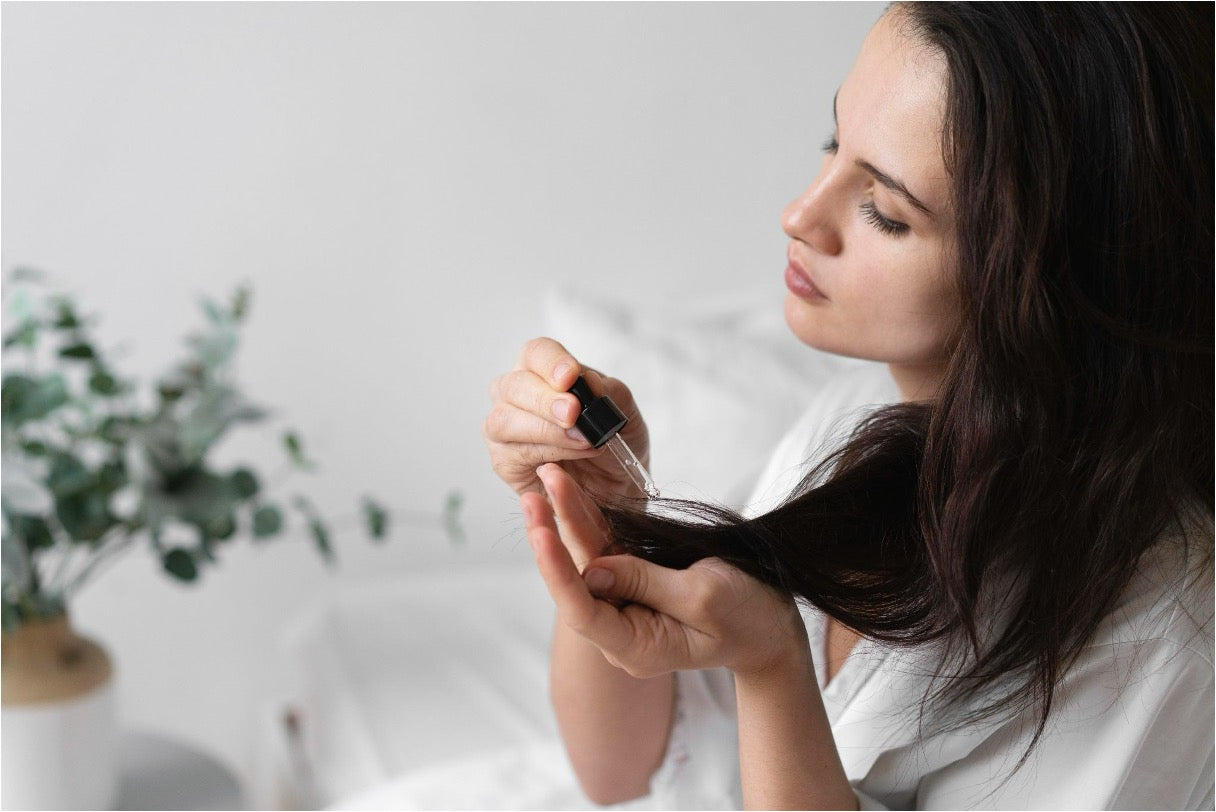
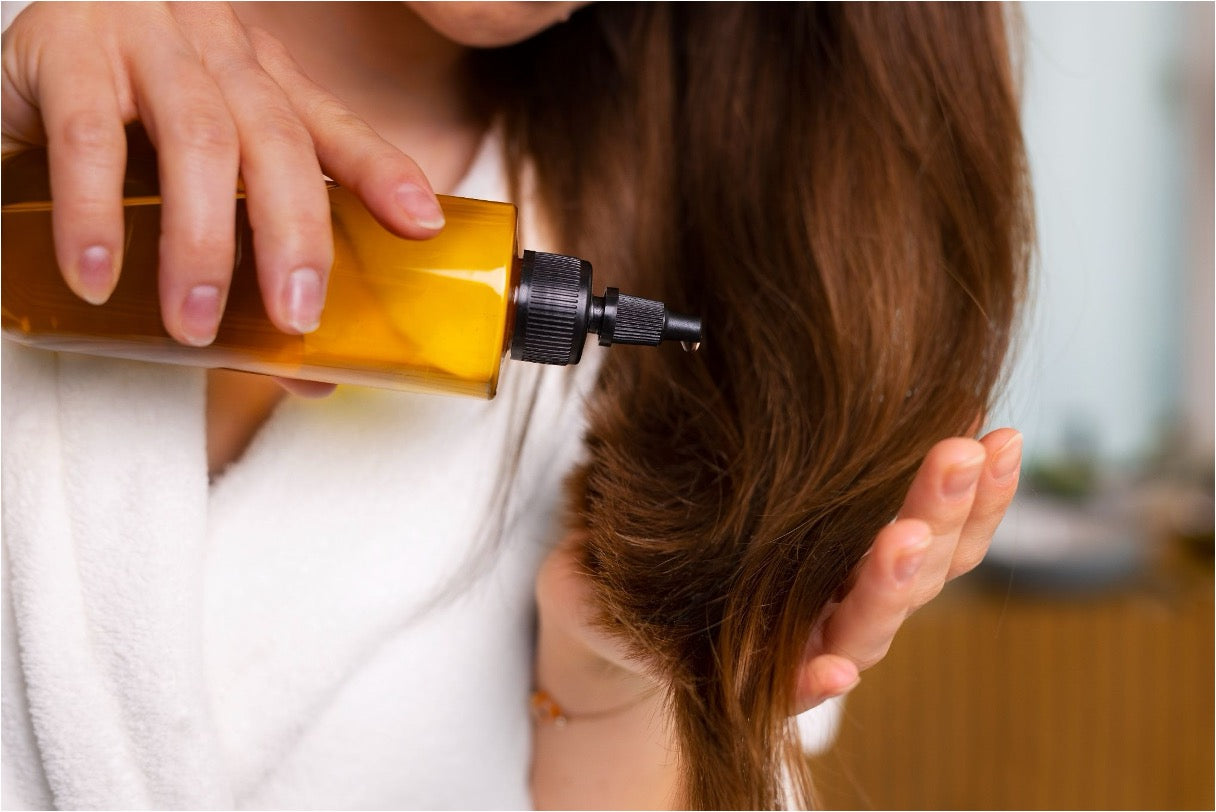
Leave-in hair growth serums deliver active ingredients directly to the follicles for better absorption. Formulas with caffeine, biotin, and castor oil help nourish the scalp and support stronger, fuller-looking hair over time.
Many of our customers report visible improvements in volume and reduced shedding within 4 to 6 weeks of consistent use of Trybello Hair Helper Spray. A gentle massage during application can also improve circulation, and consistency over several weeks is key to seeing visible results.
Trybello: Supporting Healthier, Stronger-Looking Hair

Trybello Hair Helper Spray supports a simple routine for healthier-looking, stronger-feeling hair over time.
The most effective way to reduce ponytail-related hair loss is by combining lower-tension styling with consistent scalp care and strengthening support. When you reduce pulling, protect strands, and nourish the scalp, you create the right environment for healthier-looking, more resilient hair over time. Consistency is what allows these small changes to add up.
Our Trybello Hair Helper Spray is formulated with caffeine, biotin, castor oil, and rice water extract to support stronger-looking roots and reduce breakage caused by daily styling stress. Our internal supplements, like the Trybello Hair Repair & Anti-Stress Gummies with Anagain and L-theanine, help support overall hair vitality from within. We are a US-based brand backed by a Complete 120-Day Growth Guarantee, so you can start supporting healthier-looking hair with confidence.
Explore Trybello Hair Products Today
Frequently Asked Questions (FAQs)

Trending Topics




*Disclaimer: Individual results may vary. The information provided in this article is for educational purposes only and is not intended as medical advice. Consult a healthcare professional before starting any new hair or lash care regimen, especially if you have sensitivities or underlying health conditions. Product pricing is subject to change. For full terms, visit Trybello.com.

See our latests posts #TRYBELLO