Hair Loss After Strep Throat: Causes, Timeline & Treatment
BY TRYBELLO
Apr 15, 2026

Key Takeaways
- Post-strep throat hair loss is triggered by fever, inflammation, and physical stress, which push follicles into a resting phase, making shedding appear sudden.
- Shedding usually starts 2–4 months after infection, peaks around weeks 8–16, and gradually regrows by month 4.
- Most hair naturally regrows, as follicles resume their normal growth cycle once the body recovers.
- Supporting factors like proper nutrition, adequate protein, and addressing deficiencies such as iron, zinc, and biotin can improve regrowth quality.
- Trybello Hair Helper Spray and supplements help nourish follicles and support visible regrowth with a 120-day risk-free guarantee.
What Are Philip Kingsley Density Preserving Scalp Drops?
Yes, strep throat can cause hair loss. The fever, inflammation, and physical stress of fighting the infection push hair follicles into a temporary resting phase, triggering noticeable shedding that typically begins 2 to 4 months after recovery.
This response, known as telogen effluvium, is temporary, and most people see natural regrowth begin by month 4 to 6. While patience is often enough, supporting recovery with proper nutrition, scalp care, and targeted topical treatments can help hair grow back more fully and quickly.
“Doctor-Approved Natural Spray Rapidly Boosts Growth & Thickness.
Why 100,000+ Women Are Switching to Trybello!"
Join over 100,000 happy customers who've transformed their hair with our doctor-formulated spray in just 12 weeks, rated 4.8/5 by 40,000+ real users.
Proven Natural Ingredients
- • Caffeine Extract – Blocks DHT and boosts blood flow to follicles
- • Biotin – Direct scalp absorption, no pills needed
- • Castor Oil – Soothes inflammation and locks in moisture
- • Rice Water Extract – Strengthens hair and reduces shedding
120-Day Growth Guarantee: No results? 100% money back, no questions asked.


Why Strep Throat Causes Hair Loss
Strep throat doesn’t directly attack hair follicles. The bacteria target the throat lining, but fever, systemic inflammation, immune activation, and physical stress from fighting the infection indirectly affect hair growth. During acute illness, the body prioritizes survival, redirecting energy and nutrients away from non-essential processes like hair growth.
Physical Stress on Hair Follicles
Hair follicles are highly sensitive to internal stress. Significant disruptions, such as illness, surgery, or rapid weight loss, can temporarily pause active hair growth. During strep throat, inflammatory cytokines and metabolic demands push many follicles into dormancy simultaneously, causing shedding to appear sudden and dramatic.
Fever Disrupts the Hair Growth Cycle
High fevers, common with strep throat, interfere with the metabolically active cells in hair follicles. Even a few days of raised temperature can push follicles prematurely out of the active growth (anagen) phase.
The Immune System's Indirect Role in Hair Shedding
Pro-inflammatory molecules released to fight infection disrupt the local follicle environment. The combination of fever, inflammation, and systemic stress collectively triggers hair loss weeks after the illness.
Strep Throat Pushes Hair Into the Shedding Phase
Infection causes fever, inflammation, and systemic stress, prompting the body to redirect resources away from hair follicle activity. As a result, many follicles enter the telogen phase simultaneously, leading to noticeable shedding that is typically followed by new growth.

Fever and stress from strep throat can push follicles into rest, causing temporary hair shedding.
The Hair Loss Timeline After Strep Throat
One of the most confusing aspects of post-strep hair loss is the timeline. Knowing the typical timeline helps you understand what’s normal and when to seek advice.
When Hair Loss Typically Begins After Infection
Most people notice significant shedding 2–4 months after the event, like strep throat, though it can take up to 6 months. By this time, the infection is long resolved, which makes the sudden hair loss feel alarming.
How Long Does the Shedding Phase Last
A typical timeline looks like this:
- Week 0–4: Active infection, fever, immune response
- Week 4–8: Follicles shift into the telogen phase silently
- Week 8–16: Noticeable shedding begins
- Month 4: Shedding slows, regrowth starts
- Month 6–9+: Visible regrowth, hair density improves
Persistent shedding beyond 6 months or no regrowth may require evaluation for ongoing stress, nutritional deficiencies, or other conditions.

Hair shedding after strep throat can appear suddenly, but regrowth begins naturally as follicles return to their normal cycle.
Treatment Options for Hair Loss After Strep Throat
Most people with post-strep hair loss don’t need medical treatment; patience, proper nutrition, and time are usually enough. Checking for underlying deficiencies, such as low iron or thyroid issues, ensures you address any hidden factors that could prolong shedding.
Most Cases Resolve Without Treatment
Telogen effluvium from a resolved illness is self-limiting. Once the body recovers, hair follicles naturally resume growth. Additional stressors, poor diet, crash dieting, intense exercise, or lack of sleep, can worsen shedding.
Nutrients That Support Hair Regrowth
Correcting deficiencies supports recovery. Iron aids follicle function, protein provides building blocks, zinc helps with follicle repair, and biotin strengthens hair health and growth.
Topical Treatments for Hair Regrowth
Topical serums are often the first option doctors recommend for ongoing shedding, as they are applied directly to the scalp to support follicle activity and encourage regrowth. They are considered one of the most practical, evidence-based topical approaches for persistent hair thinning.
In more persistent cases, doctors may combine prescription topical serums with procedures like PRP therapy and broader lifestyle support, including nutrition and stress management, for better overall recovery outcomes.
How Trybello Supports Hair Regrowth After Strep Throat
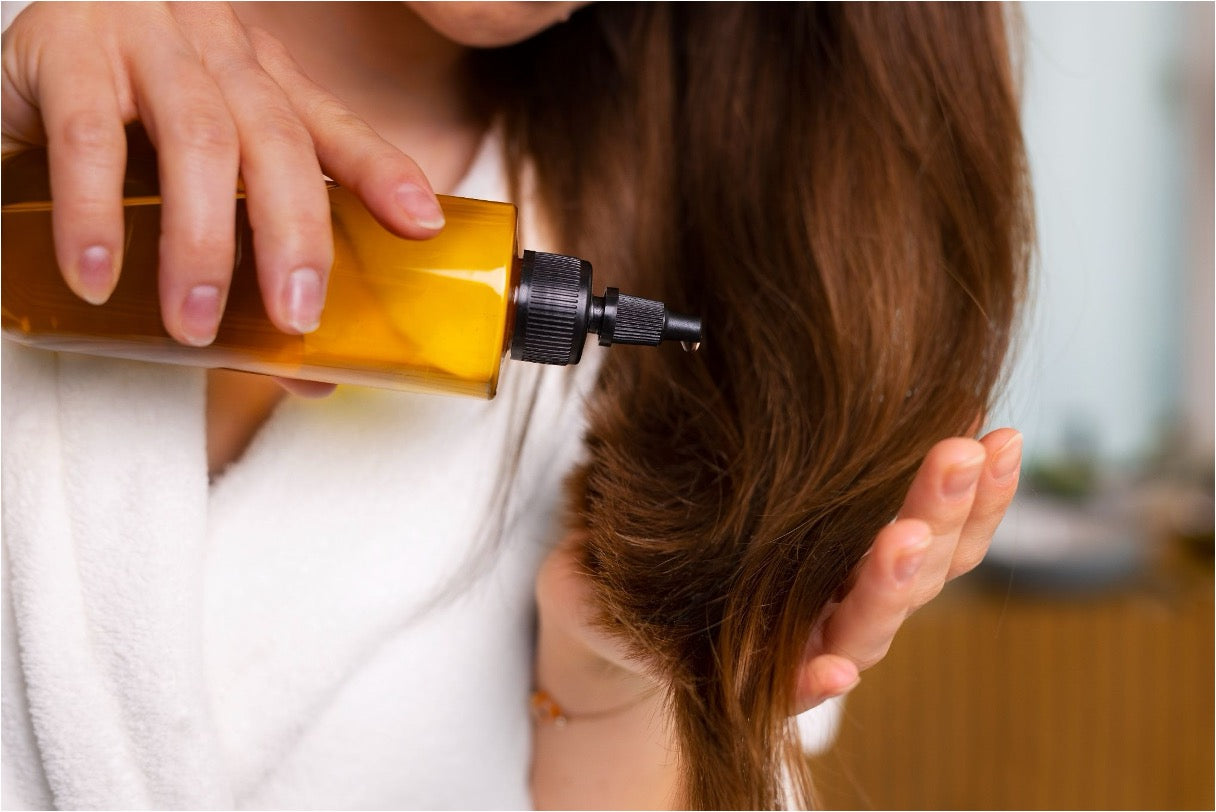
Recovering from hair shedding after strep throat can be stressful, but using Trybello Hair Helper Spray can help support your scalp during regrowth. It's a natural blend of biotin, caffeine, and castor oil that nourishes follicles and helps hair look fuller and healthier as it cycles back into growth, giving you confidence while your hair rebuilds naturally.

Trybello Hair Helper Spray nourishes follicles and supports visible regrowth after post-strep shedding.
Hair loss after strep throat is a temporary response to physical stress. Once the body recovers, follicles naturally resume their growth cycle, and shedding slows on its own. Proper nutrition, rest, and scalp care can help hair grow back more fully.
At Trybello, we developed our Hair Helper Spray and supporting system (e.g., gentle shampoo and conditioner, booster capsules, and anti-stress gummies) with clean, clinically backed ingredients made in the USA to nourish follicles and support visible regrowth. With a 120-day growth guarantee, you can try the Hair Helper Spray risk-free and see visible improvement as your hair regains strength and volume.
Support your hair’s comeback. Try Trybello Hair Helper Spray today!
Frequently Asked Questions (FAQs)

Trending Topics




*Disclaimer: Individual results may vary. The information provided in this article is for educational purposes only and is not intended as medical advice. Consult a healthcare professional before starting any new hair or lash care regimen, especially if you have sensitivities or underlying health conditions. Product pricing is subject to change. For full terms, visit Trybe

See our latests posts #TRYBELLO