Hair Loss After Knee Replacement Surgery: Causes, Solutions & Timeline
BY TRYBELLO
May 21, 2026

Key Takeaways
- Hair shedding after knee replacement is a temporary, common reaction to major surgery, often surfacing months into recovery rather than immediately after the procedure.
- The main cause is telogen effluvium, triggered by surgical stress, anesthesia, blood loss, hormonal shifts, nutritional gaps, and certain post-operative medications that push follicles into an early resting phase.
- Shedding usually begins 3–6 months after surgery and resolves on its own, with visible regrowth typically returning within 6–12 months as the body completes its recovery.
- Recovery can be actively supported by closing nutrient gaps, managing stress, easing back into movement early, returning to regular eating patterns, and keeping up consistent scalp care throughout healing.
- Trybello Hair Helper Spray offers gentle, daily scalp support with 100% botanical ingredients like castor oil, biotin, and caffeine; backed by a 120-day growth guarantee — to help hair look and feel fuller during post-surgery recovery.
Hair Loss After Knee Replacement: What You Need to Know
Many patients preparing for knee replacement focus on recovery timelines, physical therapy, and pain management, but few expect hair shedding as part of the process. Post-surgical hair loss is a documented and relatively common effect of major surgeries, including total knee replacement, and often appears 2 to 6 months after the procedure.
The delayed onset can make shedding feel sudden, even though it reflects the body’s response to surgical stress. The good news is that recovery is supported by simple steps like balanced nutrition, stress management, gentle movement, and consistent scalp care.
Below, we'll walk through why this happens, what the recovery timeline looks like, and the practical steps you can take to support healthy-looking hair through every phase of healing.
“Doctor-Approved Natural Spray Rapidly Boosts Growth & Thickness.
Why 100,000+ Women Are Switching to Trybello!"
Join over 100,000 happy customers who've transformed their hair with our doctor-formulated spray in just 12 weeks, rated 4.8/5 by 40,000+ real users.
Proven Natural Ingredients
- • Caffeine Extract – Blocks DHT and boosts blood flow to follicles
- • Biotin – Direct scalp absorption, no pills needed
- • Castor Oil – Soothes inflammation and locks in moisture
- • Rice Water Extract – Strengthens hair and reduces shedding
120-Day Growth Guarantee: No results? 100% money back, no questions asked.


Why Knee Replacement Surgery Can Trigger Hair Loss
Telogen Effluvium: The Primary Cause
Telogen effluvium (TE) is the main reason for post-surgical hair shedding. Hair cycles through growth (anagen), transition (catagen), and rest (telogen) phases. Normally, 10–15% of follicles are in telogen. Surgical stress causes more hair follicles to enter telogen prematurely, leading to noticeable shedding about three months later.
Anesthesia Effects
General anesthesia can temporarily slow follicle cell division, increasing the risk of patchy hair loss, especially for longer surgeries.
This happens because anesthesia affects the body at a cellular level, interfering with the rapid cell turnover that hair follicles depend on to sustain growth. The longer a patient is under anesthesia, the greater the disruption to this process, which is why knee replacement carries a more notable risk than shorter interventions.
Nutrition & Hormones
Blood loss and recovery after surgery depletes iron, zinc, protein, and biotin. Hormonal shifts from reduced mobility and stress can further affect follicles. Certain medications may also contribute to thinning.
Hair follicles are among the most metabolically active structures in the body, meaning they are highly sensitive to any internal shortage of nutrients or hormonal imbalance. When the body is in recovery mode, it naturally redirects available resources toward healing critical tissues first, leaving follicles under-supported and more prone to shedding.

Post-operative stress can push hair follicles into a resting phase.
The Hair Loss Timeline After Knee Replacement
Post-surgical hair loss often surprises patients because it doesn’t appear immediately, leading to confusion or unnecessary worry.
When Hair Loss Typically Starts
Hair shedding usually begins 3–6 months after surgery, as surgical stress pushes follicles into the telogen (resting) phase. Follicles remain in this phase for about three months before shedding, which is why hair loss often appears when recovery seems well underway.
When Hair Growth Returns
Telogen effluvium from surgery is usually temporary. Follicles gradually re-enter the active growth (anagen) phase, with noticeable regrowth in 3–6 months after shedding starts. Full density often returns within 6–12+ months.

Hair shedding usually starts a few months after surgery, with gradual regrowth as your body recovers.
Solutions to Support Hair Recovery After Knee Replacement
While you can’t fully prevent telogen effluvium, several proven solutions can help shorten shedding and support faster follicle recovery. Start early; waiting until shedding appears misses the optimal window.
1. Address Nutritional Gaps First
Hair needs protein, iron, zinc, biotin, and vitamin D. Post-surgery blood loss and reduced appetite can cause deficiencies. Bloodwork helps guide supplementation, and nutrient-rich foods like lean meats, eggs, legumes, leafy greens, nuts, and seeds support recovery.
2. Manage Post-Surgery Stress Actively
Increased cortisol prolongs hair resting phases. Prioritize sleep, gentle breathing, and light movement to regulate stress hormones. You can also pair these activities with Trybello Hair Repair & Anti-Stress Gummies to help regulate stress levels and support hair growth.
3. Get Moving as Soon as Your Doctor Allows
Early activity improves circulation, nutrient delivery, and hormone balance. Begin physical therapy as cleared, and progressively increase movement to support overall recovery and follicle health.
4. Add Scalp Support with a Hair Serum
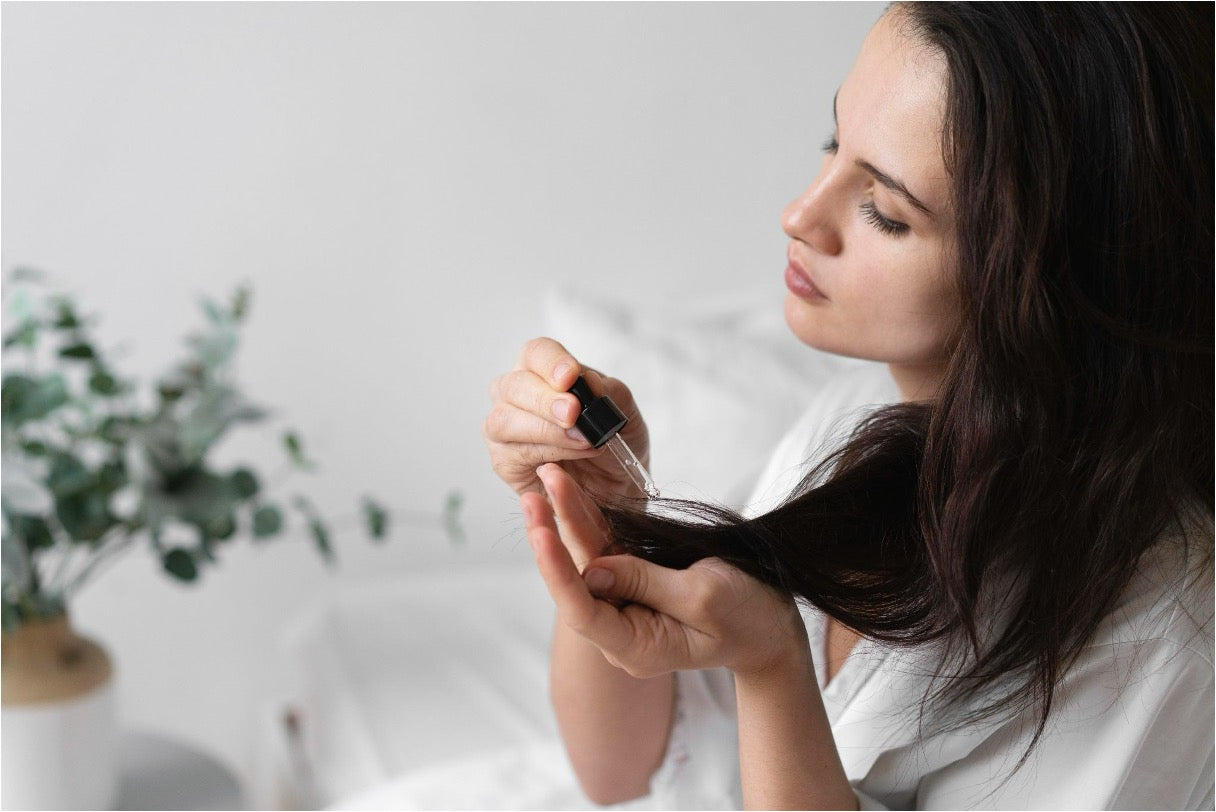
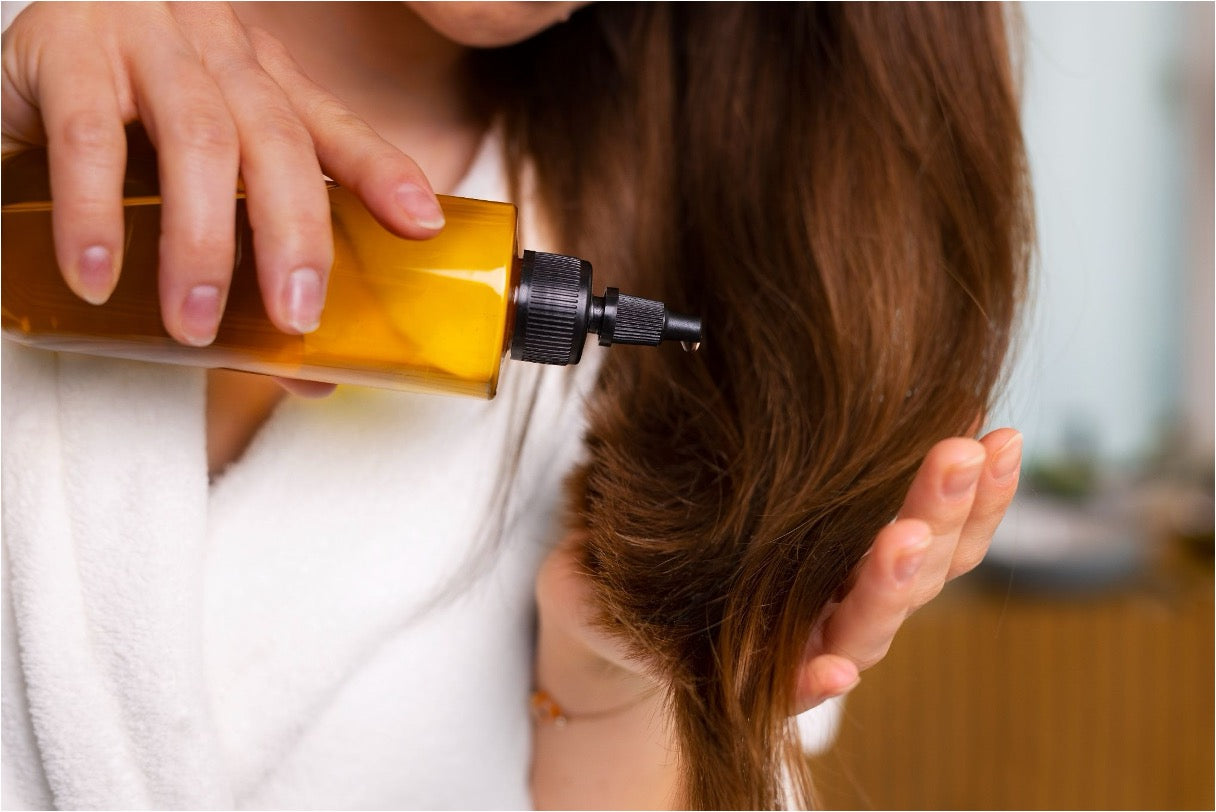
Along with nutrition and lifestyle support, gentle scalp care can help during recovery. A lightweight serum helps maintain hydration and improve overall scalp comfort. Trybello Hair Helper Spray is a simple daily option that helps support the growth of stronger, fuller hair without harsh ingredients.
5. Return to Regular Eating Patterns Quickly
Low intake signals scarcity, slowing hair regrowth. Start with protein-rich snacks, reintroduce iron-rich meals, and normalize your diet.
Trybello: Gentle Support for Hair After Knee Replacement
Hair shedding after knee replacement is unsettling, but it's almost always temporary and resolves as your body completes its recovery. With consistent care, your hair can return to its full thickness and density within months. Trybello Hair Helper Spray is built for moments like this: a gentle, daily scalp support designed to help your hair look and feel thicker, fuller, and more nourished while you heal.

Trybello Hair Helper Spray supports scalp health during post-surgery recovery.
Formulated with 100% botanical actives like castor oil, biotin, and caffeine, Hair Helper Spray delivers nourishment directly to the scalp without hormones, silicones, or parabens. Many users notice visible improvements within 8 weeks of consistent morning and evening use. With a 120-day money-back growth guarantee, it's a low-risk, easy-to-use option to help your hair feel cared for as you focus on getting back to full mobility. For a comprehensive hair care strategy, you can pair the Hair Helper Spray with Trybello Hair Repair & Anti-Stress Gummies.
Frequently Asked Questions (FAQs)

Trending Topics




*Disclaimer: Individual results may vary. The information provided in this article is for educational purposes only and is not intended as medical advice. Consult a healthcare professional before starting any new hair or lash care regimen, especially if you have sensitivities or underlying health conditions. Product pricing is subject to change. For full terms, visit Trybello.com.

See our latests posts #TRYBELLO