Hair Loss After Keratin Treatment: Causes, Solutions & Timeline
BY TRYBELLO
May 24, 2026

Key Takeaways
- Hair shedding after a keratin treatment is usually a temporary reaction to chemical exposure, high flat-iron heat, and product overload that disrupts the scalp and growth cycle.
- Most people make recovery harder by staying on heat tools, layering more chemical treatments, or using sulfate shampoos that strip the scalp during the most fragile weeks.
- The fix is to stop further stress and switch to gentle scalp support like Trybello Hair Helper Spray paired with mild protein masks, natural oils, and a sulfate-free wash routine.
- Most scalps stabilize within the first two to four weeks, with new baby hairs along the hairline or part typically appearing around month three when care stays consistent.
- Trybello Hair Helper Spray delivers Biotin, Caffeine Extract, Castor Oil, and Rice Water Extract straight to the scalp, while Trybello Hair Repair & Anti-Stress Gummies add internal support with Anagain and B-complex vitamins for post-keratin recovery.
Hair Loss After Keratin Treatment: What Is Really Happening
Hair loss after a keratin treatment is usually temporary, driven by chemical exposure (especially formaldehyde-releasing agents), repeated high-heat passes from the flat iron, and product overload that pushes more strands into the shedding phase. Shedding typically becomes noticeable in the first one to two weeks, the scalp tends to stabilize by week four, and new growth often shows up around month three when you stop stacking damage and switch to gentle care. How fast recovery moves depends on how healthy your hair was going in and how consistent your aftercare is.
Keratin services keep getting easier to book and harder to evaluate, so plenty of people only learn the recovery timeline once strands are already in the brush. Knowing what is normal shedding and what is a sign to slow down makes the next few weeks far less stressful.
“Doctor-Approved Natural Spray Rapidly Boosts Growth & Thickness.
Why 100,000+ Women Are Switching to Trybello!"
Join over 100,000 happy customers who've transformed their hair with our doctor-formulated spray in just 12 weeks, rated 4.8/5 by 40,000+ real users.
Proven Natural Ingredients
- • Caffeine Extract – Blocks DHT and boosts blood flow to follicles
- • Biotin – Direct scalp absorption, no pills needed
- • Castor Oil – Soothes inflammation and locks in moisture
- • Rice Water Extract – Strengthens hair and reduces shedding
120-Day Growth Guarantee: No results? 100% money back, no questions asked.


Why Keratin Treatments Trigger Hair Loss
There is no single cause. Hair loss after a keratin treatment usually happens when multiple stress factors affect the scalp and hair at the same time. Below are the most common reasons this occurs.
The Role of Formaldehyde and Harsh Chemicals
Formaldehyde is one of the main ingredients linked to keratin-related damage. It helps lock the treatment into the hair when heat is applied, but it is also a known irritant for the scalp, follicles, and even the respiratory system.
When the scalp is exposed repeatedly or in high concentrations, it can become inflamed. Inflamed follicles struggle to hold hair properly, which may lead to increased shedding. In more sensitive cases, ongoing irritation can weaken follicle health over time.
Even products labeled “formaldehyde-free” may still contain ingredients that release similar compounds when heated, so careful ingredient checking is important.
Incorrect Application and Overlapping Treatments
Improper application is a major but often overlooked factor. Using too much product, leaving it on longer than recommended, or layering new treatment over previously treated hair can overload the hair shaft. This added stress can weaken the hair structure and make it more prone to breakage and shedding during the recovery phase.
Pre-Existing Hair Conditions That Make Things Worse
If hair is already weakened from bleaching, coloring, heat styling, or scalp issues, it becomes more vulnerable to keratin treatment stress.
In such cases, the combination of chemical exposure and heat can push fragile strands past their limit, leading to noticeable shedding and slower recovery.
How Excessive Heat Damages Hair at the Root
During keratin treatments, the flat iron temperatures needed to seal the treatment can stress already damaged hair. Repeated high-heat passes help seal the treatment but can also weaken the hair structure if over-applied.
At the scalp level, this intense heat can stress follicles and disrupt the normal growth cycle, pushing more strands into the shedding (telogen) phase earlier than usual.

Heat and chemical exposure can temporarily weaken the hair's natural structure during a keratin service.
The Hair Loss Timeline After Keratin Treatment
Understanding what to expect, and when, can help reduce anxiety after a keratin treatment. The timeline varies based on hair health, product formula, and aftercare routine. Most shedding is temporary and typically follows a short recovery cycle.
Week 1–2: The Initial Shedding Phase
This phase can feel noticeable, but it is usually part of a normal cycle shift. Washing, heat, and styling may loosen hairs that were already near the end of their growth phase.
Shedding may begin within the first 1–2 weeks and is often temporary if the scalp is not further stressed.
Month 3: Recovery and Regrowth Begin
Regrowth often starts around the 3rd month, with fine new hairs appearing along the hairline or part.
Hair density gradually improves over the next few months, depending on overall scalp health and treatment impact.
How to Stop Hair Loss After Keratin Treatment
The good news is that most post-keratin hair loss is reversible with the right care. The goal is to stop further damage while supporting a healthy scalp environment for regrowth. During recovery, avoid heat styling, chemical treatments, and harsh products, as they can worsen shedding and slow healing.
Natural Oils That Support Follicle Recovery
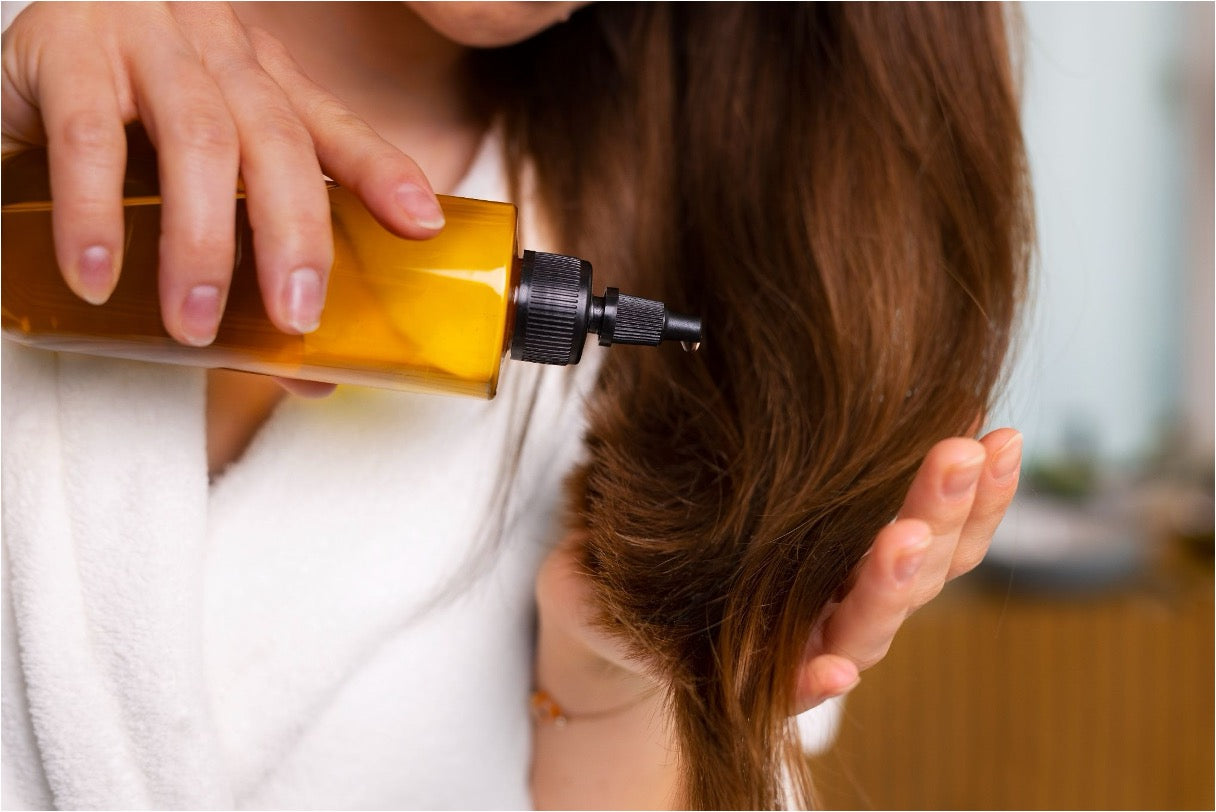
Natural oils can help improve scalp comfort and support a healthier environment for regrowth when used consistently. Rosemary oil is often used for circulation support when diluted, while castor oil can help nourish and soothe the scalp. Peppermint oil may offer a refreshing, cooling scalp effect, and argan oil helps reduce dryness and breakage.

Natural oils like rosemary and castor support scalp comfort and reduce dryness during post-keratin recovery.
Protein Masks and DIY Remedies That Actually Help
After keratin-related stress, hair may become weaker and more prone to breakage, so gentle protein support can help. Egg and olive oil masks help restore strength and moisture, while yogurt masks provide light conditioning, add extra shine, and provide extra moisture. These treatments should be used in moderation to avoid making hair feel stiff or overloaded.
Nutritional Support: Biotin, Iron, and Vitamin E
Healthy hair recovery also depends on internal nutrition. Biotin supports keratin production, iron helps maintain normal hair growth cycles, and vitamin E supports scalp circulation and protection. A balanced diet or supplements can help support recovery, especially when shedding has been noticeable.
Scalp Serums for Daily Support and Recovery
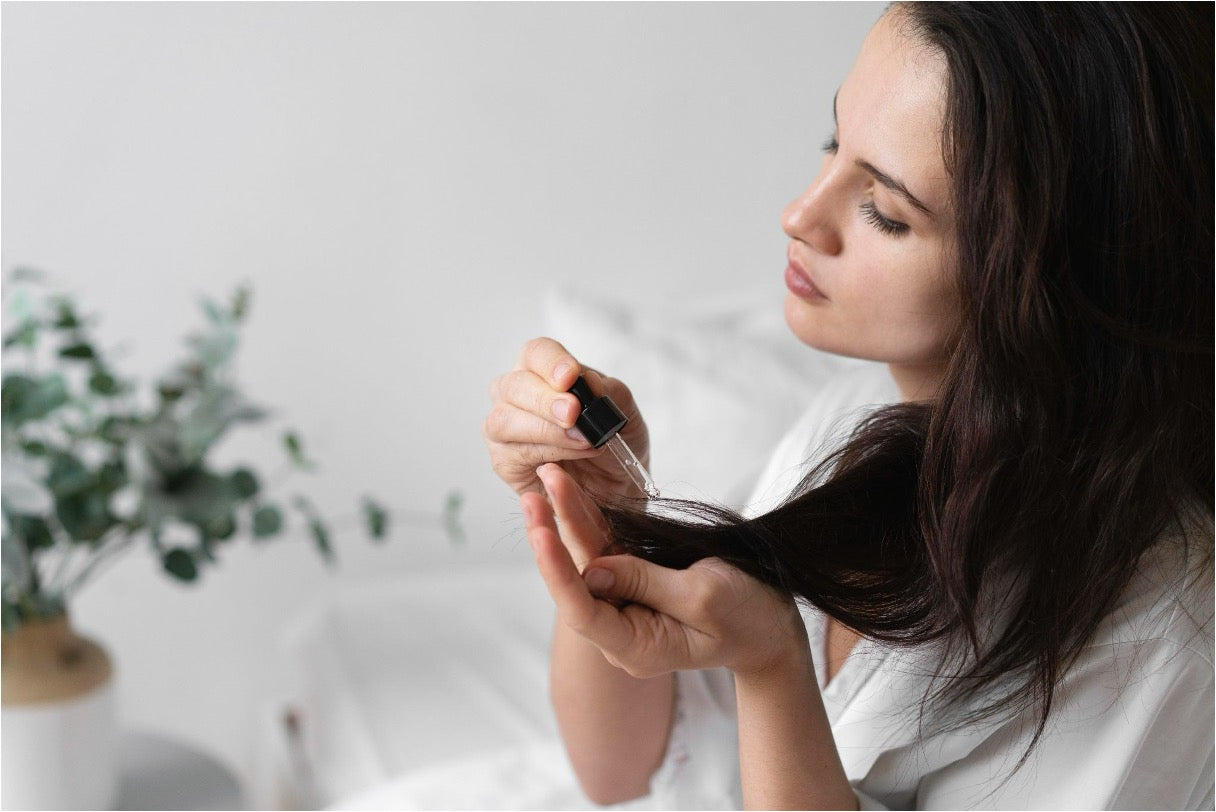
Scalp-stimulating serums can be a helpful addition to a post-keratin routine when used consistently on a clean scalp. They support circulation and help maintain a balanced scalp environment, especially when paired with gentle cleansing and less heat styling. Trybello Hair Helper Spray is built for this stage, with a lightweight, non-greasy formula that fits easily into daily use while supporting overall scalp comfort and healthier-looking hair during recovery.
Switch to Sulfate-Free, Keratin-Safe Topical Hair Products
Sulfates like SLS and SLES can strip natural oils and further stress weakened hair. A sulfate-free shampoo helps maintain moisture and supports scalp recovery. Look for gentle, hydrating formulas with ingredients like aloe vera, glycerin, or panthenol, and pair them with a lightweight conditioner to reduce breakage and dryness. Scalp-stimulating serums can also be added to the routine to help support circulation and create a healthier environment for regrowth when used consistently.
The Gentle Way Back to Stronger Hair After Keratin
The most effective way through post-keratin shedding is to stop stacking stress on the scalp, give the growth cycle time to reset, and keep your routine consistent for at least three months. Cutting heat styling, switching to a sulfate-free wash, and adding light scalp support are the moves that actually move the needle.

Trybello supports post-treatment recovery with a gentle, dual routine for scalp care and overall hair strength.
Trybello Hair Helper Spray was built for exactly this kind of recovery window. Trybello Hair Helper Spray delivers Biotin, Caffeine Extract, Castor Oil, and Rice Water Extract directly to the scalp without weighing hair down, while Trybello Hair Repair & Anti-Stress Gummies add Anagain, L-theanine, and B-complex support from the inside. Used together day after day, they give your scalp a calm, well-fed environment to rebuild from.
Give your scalp the recovery support it needs.
Frequently Asked Questions (FAQs)

Trending Topics




*Disclaimer: Individual results may vary. The information provided in this article is for educational purposes only and is not intended as medical advice. Consult a healthcare professional before starting any new hair or lash care regimen, especially if you have sensitivities or underlying health conditions. Product pricing is subject to change. For full terms, visit Trybello.com.

See our latests posts #TRYBELLO